
Home > About Us


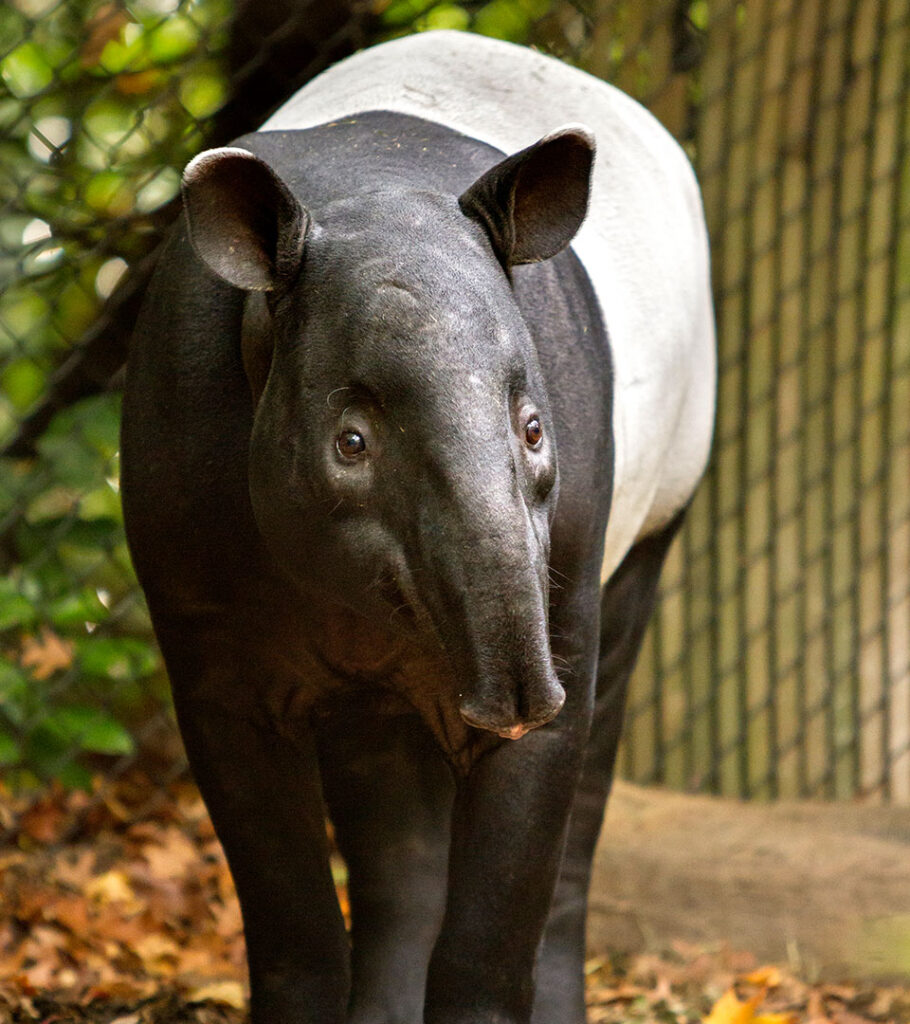
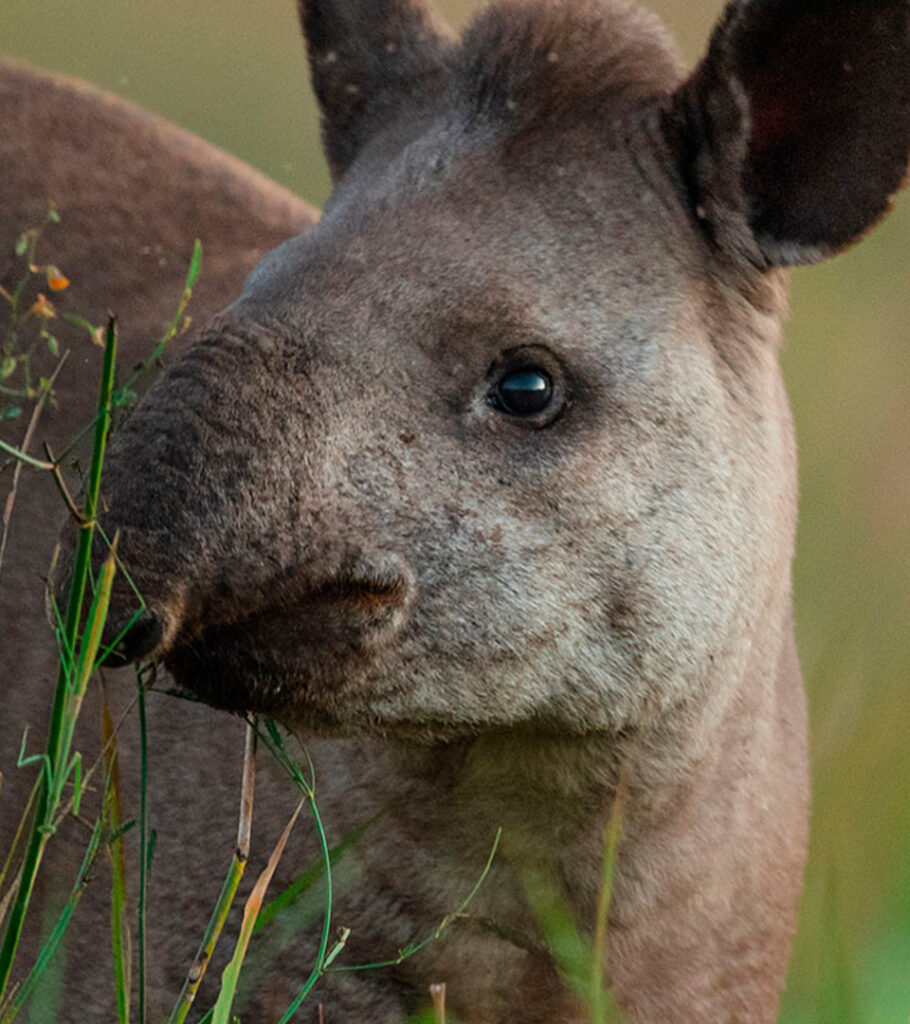
The Tapir Specialist Group (TSG) is a unit of the IUCN (International Union for Conservation of Nature) Species Survival Commission. We conserve biological diversity by stimulating, developing, and executing practical programs to study, save, restore, and manage the four species of tapir and their remaining habitats in Central and South America and Southeast Asia.
The IUCN/SSC Tapir Specialist Group is a scientific organization founded in 1980 as one of the 120 Specialist Groups of the International Union for the Conservation of Nature (IUCN) Species Survival Commission (SSC). TSG has over 140 members, including field researchers, educators, veterinarians, governmental agencies and NGO representatives, zoo personnel, university professors and students, from 28 countries worldwide (Argentina, Australia, Belize, Bolivia, Brazil, Canada, Colombia, Costa Rica, Denmark, Ecuador, Germany, Guatemala, Guyana, Honduras, Indonesia, Malaysia, Mexico, Panama, Peru, Taiwan, Thailand, The Netherlands, United Kingdom, United States, and Venezuela). All members are directly or indirectly involved in tapir field research and/or captive breeding in their respective regions. Over fifty percent of our members hail from developing countries.
In 1980, Dr. Keith Williams from Australia was appointed the founding chairperson of the Tapir Specialist Group following his work with Tapirus indicus in Malaysia in 1975-1976 and continued input to the Red Data Book over subsequent years. The group commenced work with five members from Australia, Indonesia, Costa Rica and the USA. Williams’s research work in Costa Rica, funded by the Wildlife Conservation Society (then Wildlife Conservation, NYZS), was the first extensive study of any tapir species.
In September 1990, Sharon Matola took over the Chair from Keith Williams. With funding support from the Wildlife Preservation Trust International, now EcoHealth Alliance, she created the Tapir Conservation newsletter. The first six issues of the newsletter were published working from a manual typewriter in Sharon’s office at the Belize Zoo. The magazine soon became a valuable forum for making SSC group known to other members. Under her direction, the Tapir Action Plan was written, and was published in 1997.
Today, the TSG has over 140 members, including field researchers, educators, veterinarians, governmental agencies and NGO representatives, zoo personnel, university professors and students, from 28 countries worldwide (Argentina, Australia, Belize, Bolivia, Brazil, Canada, Colombia, Costa Rica, Denmark, Ecuador, Germany, Guatemala, Guyana, Honduras, Indonesia, Malaysia, Mexico, Panama, Peru, Taiwan, Thailand, The Netherlands, United Kingdom, United States, and Venezuela). All members are directly or indirectly involved in tapir field research and/or captive breeding in their respective regions. Over fifty percent of our members hail from developing countries.
TSG operates on a 100% volunteer basis. None of our members are paid by TSG for their tireless work on behalf of tapirs. In 2003 we established the Tapir Specialist Group Conservation Fund to raise funds to support the implementation of the recommendations of the IUCN/SSC Tapir Status Survey and Conservation Action Plan. The fund supports such activities such as creating educational and marketing materials for in-situ and ex-situ education initiatives, giving small grants to tapir researchers to sustain their projects, and supporting vital meetings such as the International Tapir Symposiums where tapir researchers can come together in person to share information, strategize and plan for tapir conservation.
The TSG and the Association of Zoos and Aquariums (AZA) Tapir Taxon Advisory Group (TAG), the main organizers of the Second International Tapir Symposium, together with the European Association of Zoos and Aquaria (EAZA) Tapir Taxon Advisory Group (TAG) and the Tapir Preservation Fund (TPF), are the key groups working on developing and implementing tapir research, conservation and management programs. An important aspect of the mission of these four groups is to contribute to the development of a coordinated international conservation strategy for tapirs.
Our mission is to conserve biological diversity by promoting, developing, and implementing practical programs to study, protect, restore, and manage the four species of tapir and their remaining habitats in Central and South America and Southeast Asia.
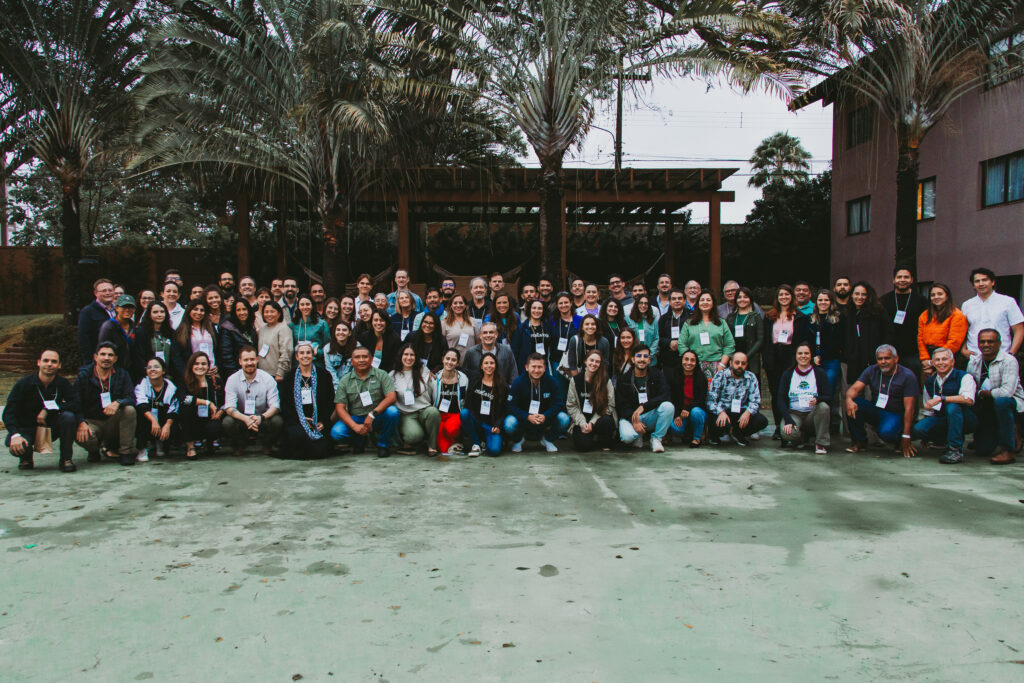
Members of the Tapir Specialist Group (TSG) possess diverse areas of expertise. In order to better execute the goals of our Tapir Action Plan, we have formed the following TSG subcommittees. Please feel free to contact the committee chairs if you are seeking specific information or would like to help in a specific area.

Juliana Vélez

Diego J. Lizcano, Colombia
Fundraising Committee Coordinator: Patrícia Medici, Brazil
Action Planning Committee Coordinator (National Action Plans): Patrícia Medici, Brazil
Zoo Committee Coordinator: Viviana Quse, Argentina
Marketing & Education Committee Coordinator: Kelly Russo, United States
Veterinary Committee Coordinator: Jorge Rojas, Colombia
Genetics Committee Coordinator: Gabriela Pinho, Brazil
Alan Shoemaker, United States
Alberto Mendoza, Mexico/United States
Anders Gonçalves da Silva, Brazil/Australia
Bengt Holst, Denmark
Carl Traeholt, Denmark/Malaysia
Gilia Angell, United States
Jeffrey Flocken, United States
Kelly Russo, United States
Mathias Tobler, French Guiana
Michele Stancer, United States
Rick Schwartz, United States
Viviana Quse, Argentina